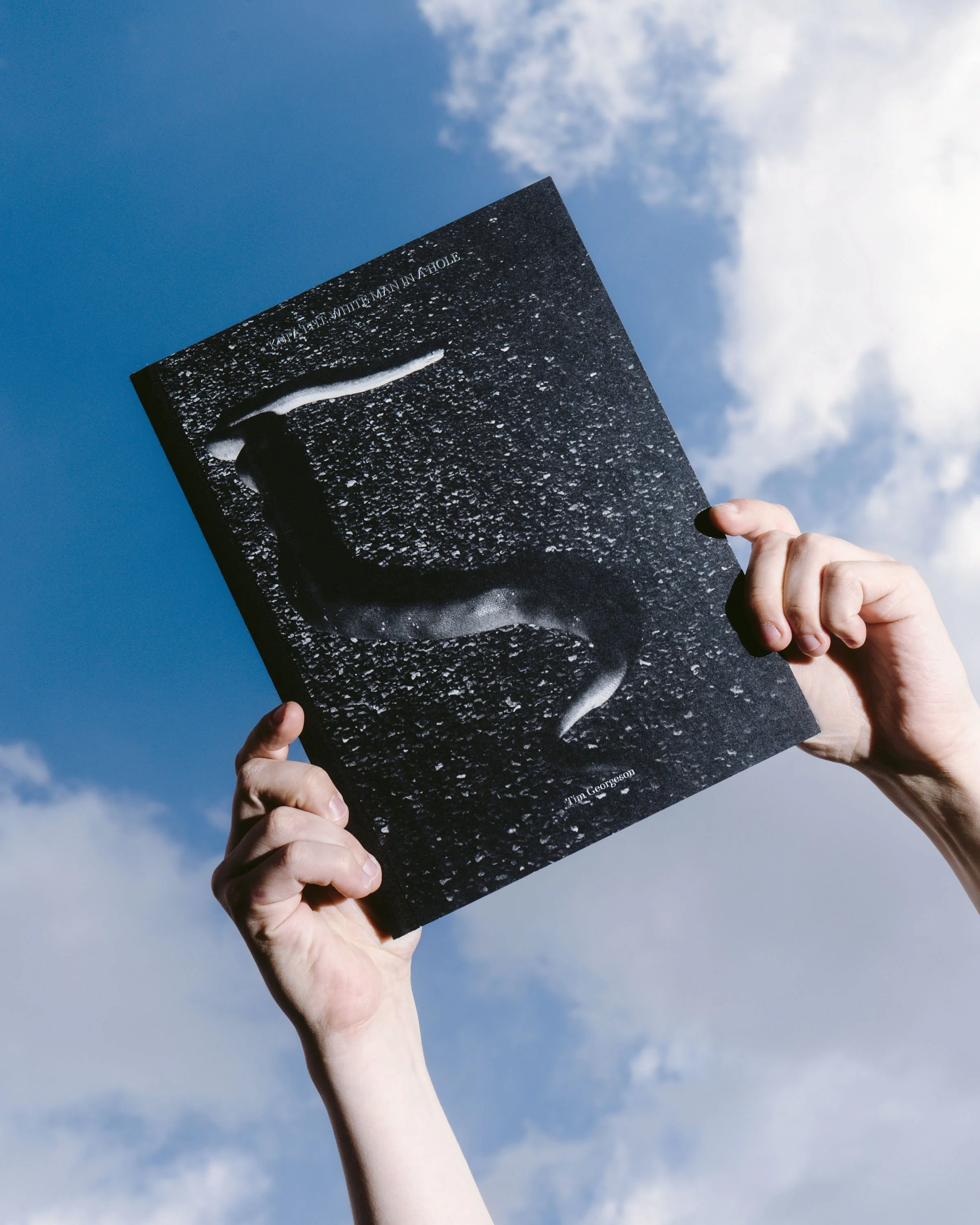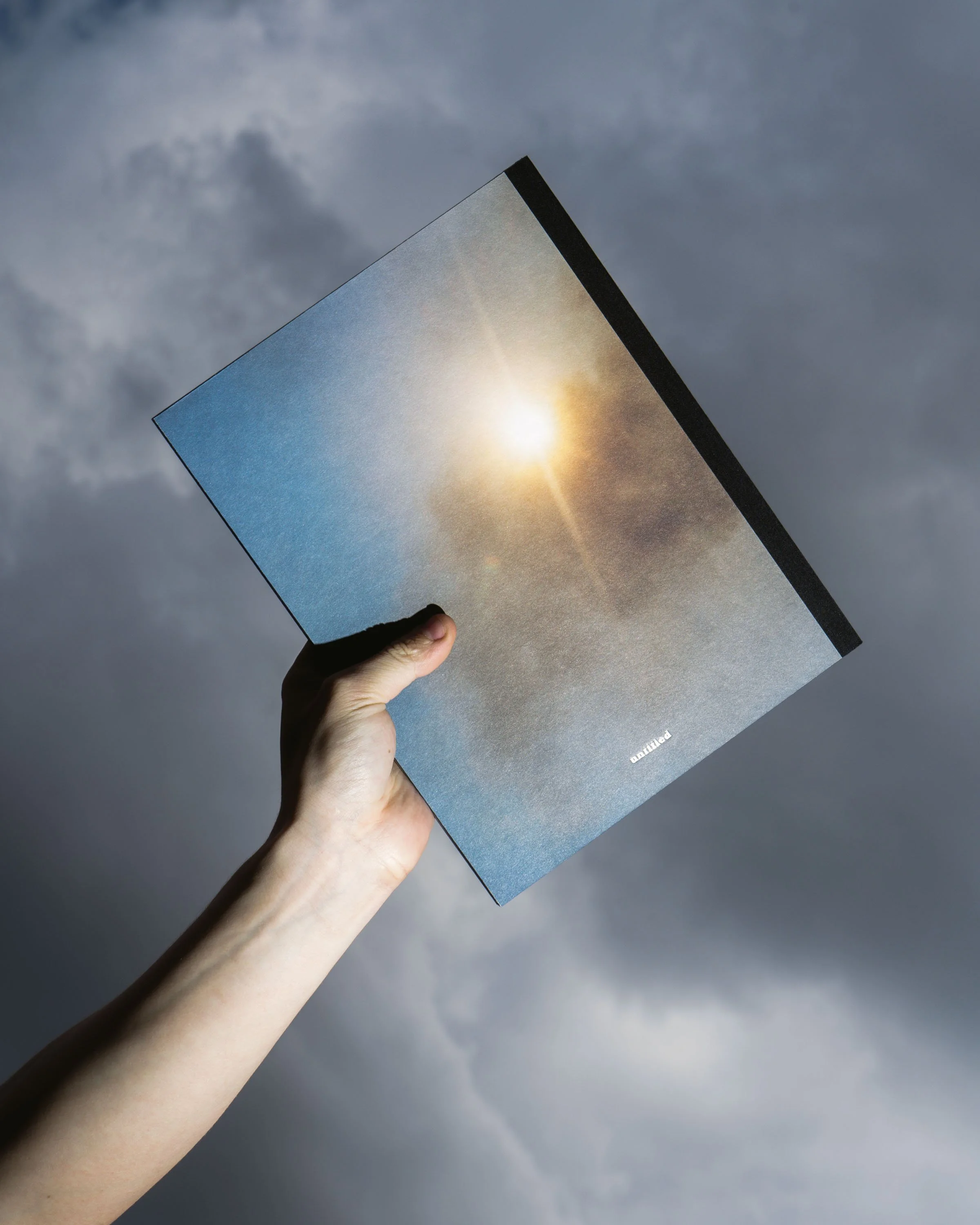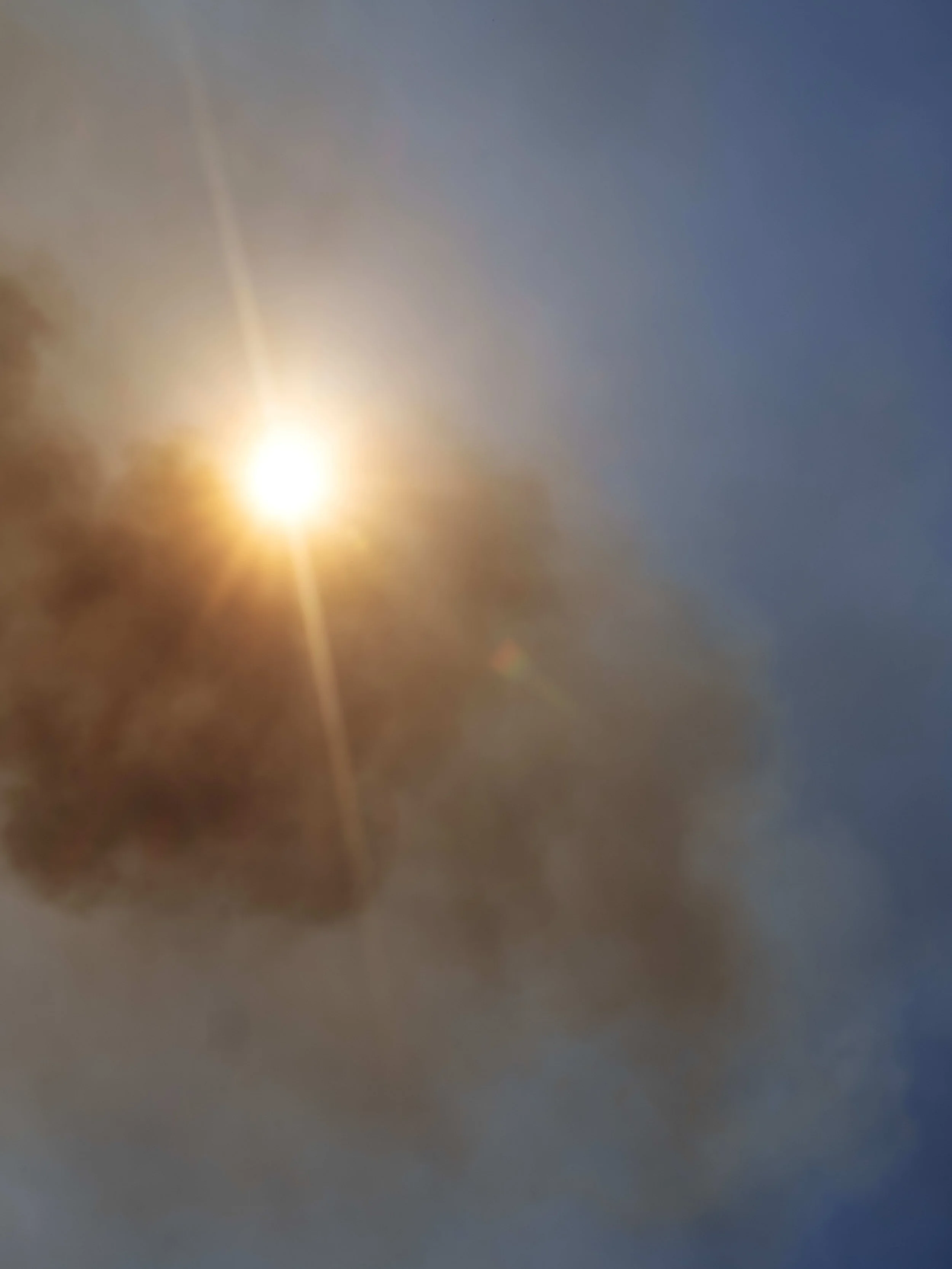
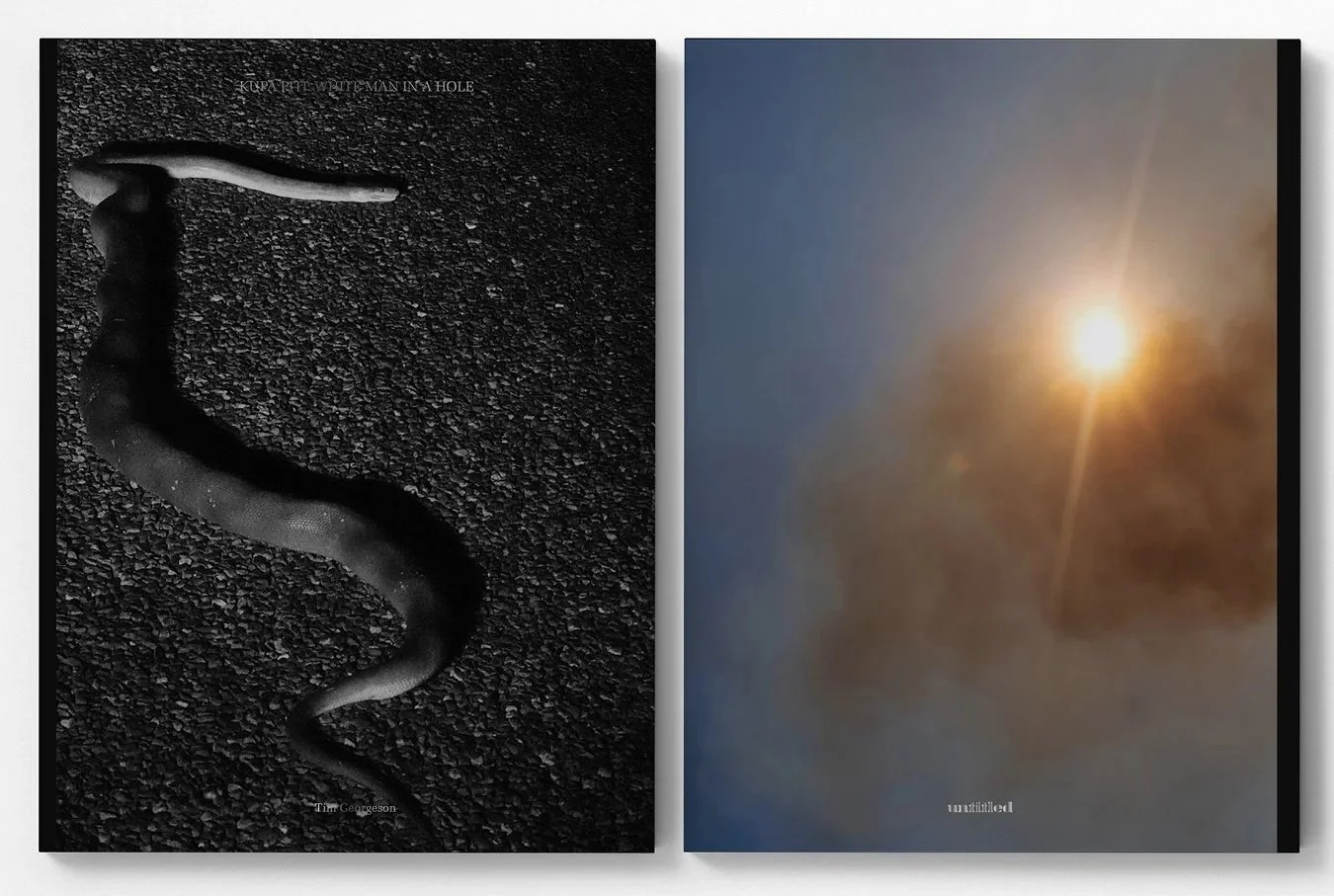
Kupa Piti: White Man in a Hole
Tim Georgeson
In the heart of the South Australian outback, along the desolate Stuart Highway, lies Coober Pedy the surreal “opal capital of the world,” and the subject of an extraordinary forthcoming book by acclaimed visual artist Tim Georgeson. Named from an Aboriginal phrase meaning “White Man in a Hole,” it is a place of survival and descent, where lives are carved underground against desert extremes.
Georgesons lens captures this post-apocalyptic frontier with raw clarity and poetic restraint. His photographs shift between barren horizons, hand-dug dwellings, and fragments of human presence, revealing a town caught between utopia and desolation, fortune and isolation. In black and white and colour, the images move between repetition and subtle shift, mimicking the rhythm of life where time, space, and silence stretch to extremes.
Meet us:
Contact Photo Festival, Toronto 2026 - Exhibition and book launch
ICP Photobook Fest, NYC May 8-10, 2026
Photo London, May 13-17, 2026
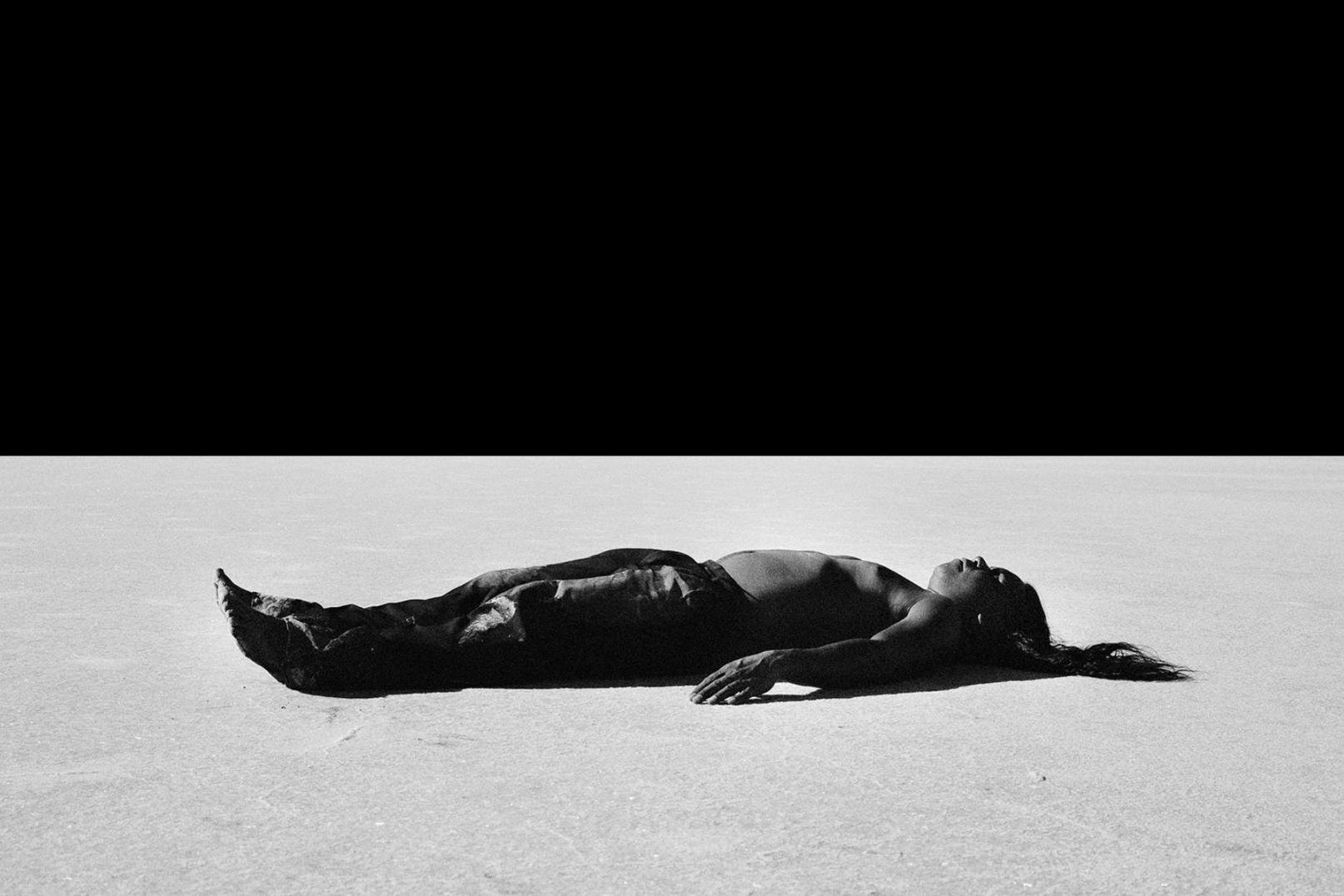
This is less a portrait of people than of a condition of an existential frontier where survival, extraction and imagination collide.

Kupa Piti: White Man in a Hole is a visual ode to nature and its power; a meditation on landscape punctuated by glimpses of human presence and the sacredness of the land. Through this evocative journey, Georgeson blurs the lines between utopia and dystopia, myth and reality, desert and dream. The town’s name is derived directly from the Aboriginal phrase kupa-piti, a literal and metaphorical reference to a life lived underground. Often translated as “white man in a hole,” the place is defined by relentless heat and vast isolation. Miners, migrants, and outsiders have carved subterranean homes beneath the earth, searching for "cosmic" opal seams left behind by an ancient inland sea. The landscape, seemingly lunar and abandoned, dominates. Human presence is suggested rather than shown directly. In rare portraits, figures appear as visitors, humbled by the sheer force of their surroundings.
The book was developed in close collaboration with curator and editor Lucie Černá, whose approach builds on the unique visual rhythm of Georgeson’s work. With a focus on sequencing, together they carefully layered black-and-white and colour images to reflect the psychological and spatial contrasts of Coober Pedy, a non-linear arrangement echoing the fragmented, immersive experience of the place itself.
In Georgeson’s telling, the relics of Coober Pedy are not presented as literal monuments, but rather as subtle traces, symbols of resilience and eccentricity that emerge through suggestion, not exposition. He avoids literal documentation, choosing instead to bridge these worlds by letting the landscape speak in metaphor and echo. The images effectively acting as portals collapsing time and space. Through Georgeson’s lens, what we see is only what we are allowed to sense, and that is precisely what makes the narrative unforgettable.
Photographs: Tim Georgeson
Editing & Sequencing: Lucie Černá
Text: Caia Hagel
Graphic design: Lara Damiens
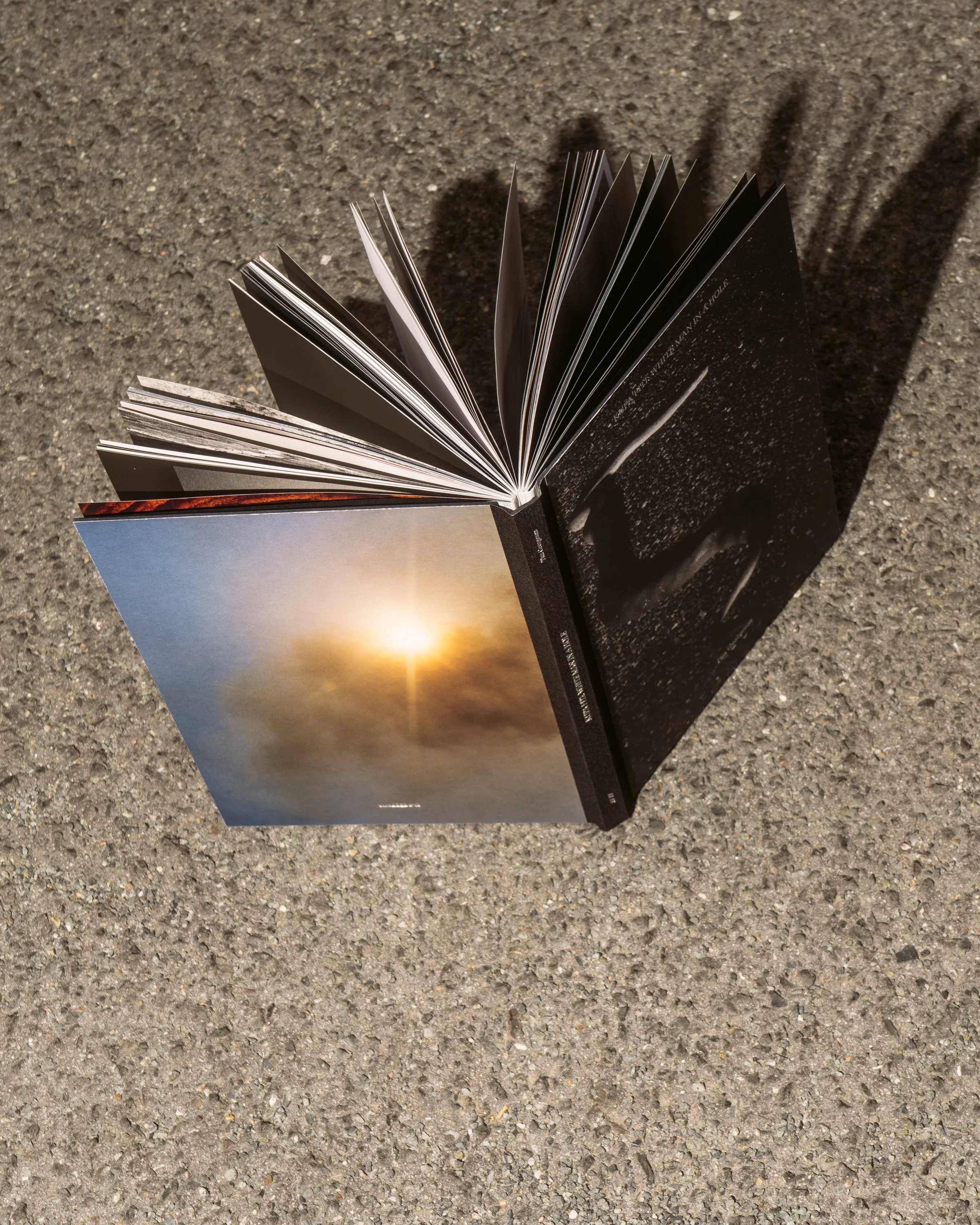
144 pages
210 × 280 mm
Hard cover
The book is also available in a limited edition, each accompanied by a signed prints.